Safety Objectives in Aviation
In aviation's high-pressure environment, safety is paramount. Yet, for aviation safety managers and accountable executives, the challenge lies not only in maintaining robust safety standards but also in aligning these standards with the organization’s broader goals, such as operational efficiency, financial performance, and customer satisfaction.
Read More
Topics:
Aviation SMS Database,
3-Safety Assurance,
1-Safety Policy
As a new aviation safety manager, one of your most critical responsibilities is ensuring the safety of operations through a robust Safety Management System (SMS). A cornerstone of any effective SMS is the hazard assessment, a proactive process to identify, evaluate, and mitigate risks in aviation operations.
This guide will walk you through how to conduct a hazard assessment that complies with the regulatory frameworks of the Federal Aviation Administration (FAA), European Union Aviation Safety Agency (EASA), and International Civil Aviation Organization (ICAO).
Read More
Topics:
3-Safety Assurance,
2-Safety Risk Management
How Aviation Safety Managers Can Use SMS Data to Improve Safety
In the fast-paced, data-intensive world of aviation, safety is non-negotiable. For aviation safety managers and accountable executives, implementing an effective Safety Management System (SMS) is critical to ensuring operational safety and regulatory compliance.
Read More
Topics:
Key Performance Indicators,
Aviation SMS Database,
3-Safety Assurance,
Risk Management Software,
2-Safety Risk Management,
Risk Management Training,
FAA Compliance
Monitoring Safety Performance in Aviation SMS Manuals
Monitoring safety performance is a critical component of an aviation Safety Management System (SMS) manual, as outlined in TOC 4.1–4.3. It ensures that safety goals are met, risks are managed, and compliance is maintained with International Civil Aviation Organization (ICAO), Federal Aviation Administration (FAA), and European Union Aviation Safety Agency (EASA) standards.
Read More
Topics:
Aviation SMS Implementation,
3-Safety Assurance
Aviation safety managers operate in a high-stakes environment where precision, vigilance, and continuous improvement are non-negotiable. To maintain and enhance safety standards, defining Key Performance Indicators (KPIs), establishing robust feedback mechanisms, and integrating Situational Awareness (SA) into safety management systems are critical.
This comprehensive guide provides actionable steps to achieve these goals, ensuring compliance with regulations, improving operational efficiency, and fostering a culture of safety.
Read More
Topics:
Key Performance Indicators,
3-Safety Assurance,
2-Safety Risk Management
Develop Safety Analysis Process for Aviation SMS Manual
A safety analysis process is a critical component of an aviation Safety Management System (SMS) manual, as outlined in TOC 5.1–5.5. It ensures systematic evaluation of safety data, including hazard reports and incident investigations, to support Management of Change (MOC) and maintain compliance with International Civil Aviation Organization (ICAO), Federal Aviation Administration (FAA), and European Union Aviation Safety Agency (EASA) standards.
Read More
Topics:
Aviation SMS Implementation,
3-Safety Assurance
SMS Audit Preparation Guide for Aviation Safety Managers
For new aviation safety managers, preparing for Safety Management System (SMS) audits is a formidable challenge,
Read More
Topics:
Aviation SMS Implementation,
4-Safety Promotion,
3-Safety Assurance,
1-Safety Policy,
2-Safety Risk Management,
Risk Management Training
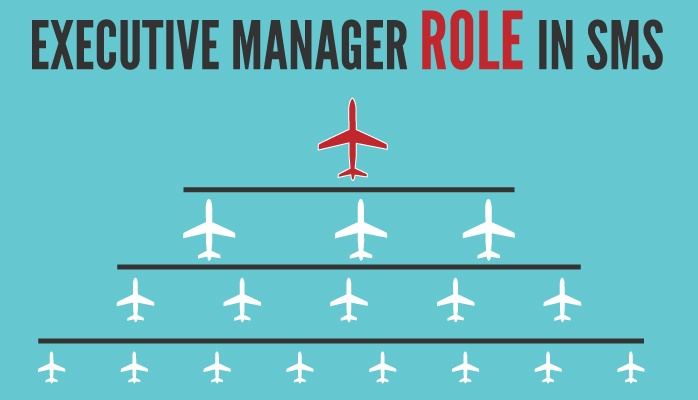
For new aviation safety managers, preparing for Safety Management System (SMS) audits can feel overwhelming, especially when it comes to coaching accountable executives. These senior leaders, often focused on operational and financial priorities, may not be familiar with the intricacies of SMS or their critical role in ensuring compliance. Yet, their understanding of regulatory frameworks like ICAO Annex 19, FAA SMS guidelines, and EASA SMS requirements is essential for fostering a robust safety culture and passing audits.
Read More
Topics:
4-Safety Promotion,
3-Safety Assurance,
1-Safety Policy,
Risk Management Training,
FAA Compliance,
Safety Culture
Aviation SMS Audit Readiness: The Accountable Executive’s Role
For new aviation safety managers, preparing for a Safety Management System (SMS) audit can feel like navigating uncharted skies.
Read More
Topics:
Aviation SMS Implementation,
4-Safety Promotion,
3-Safety Assurance,
1-Safety Policy,
2-Safety Risk Management,
FAA Compliance,
Safety Culture
How Regulations Shape Aviation Safety
Aviation safety is a cornerstone of the industry, ensuring millions of passengers and crew members reach their destinations securely each year.
For aviation safety managers, understanding the intricate relationship between regulations and safety outcomes is critical. Regulations set the framework for operational standards, but their impact—both positive and challenging—requires careful navigation to maintain safety while fostering efficiency.
This article explores how regulations influence aviation safety, offering insights for safety managers to optimize compliance and enhance safety protocols.
Read More
Topics:
3-Safety Assurance,
FAA Compliance