
Enhancing Aviation Safety Through Effective Reporting Systems
Aviation demands uncompromising safety standards, and safety managers are pivotal in upholding them. Aviation safety reporting systems (SRS) are critical tools for

Aviation demands uncompromising safety standards, and safety managers are pivotal in upholding them. Aviation safety reporting systems (SRS) are critical tools for
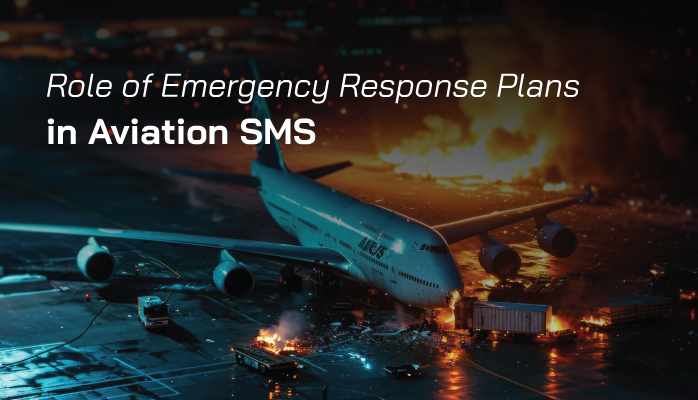
In the aviation industry, both safety and profits are paramount. With millions of flights operating globally each year, the need for robust safety protocols cannot be overstated.
Topics: 2-Safety Risk Management
Aviation safety managers face a complex and dynamic landscape where environmental factors play a critical role in ensuring safe operations. From unpredictable weather patterns to terrain challenges and wildlife hazards, these elements can significantly influence flight safety. Understanding and mitigating their impact is essential for
This article explores the key environmental factors affecting aviation safety and provides actionable strategies for safety managers to address them.
The Federal Aviation Administration (FAA) mandates Safety Management Systems (SMS) for various aviation operations, including single-pilot operators under 14 CFR § 5.3(c).
Topics: Aviation SMS Implementation, 4-Safety Promotion, 3-Safety Assurance, 1-Safety Policy, 2-Safety Risk Management
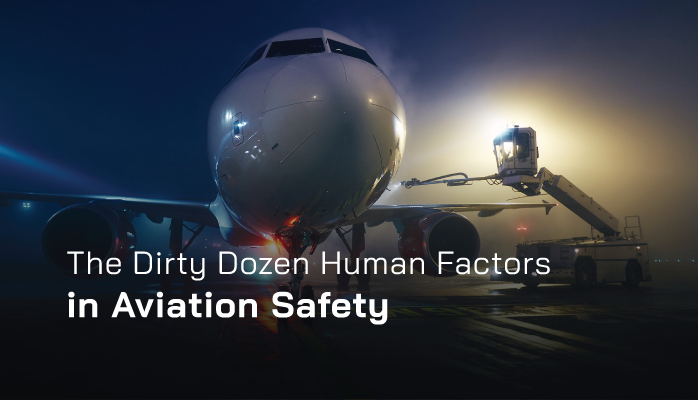
Aviation safety is a complex field where human factors play a pivotal role in preventing accidents and ensuring operational efficiency.
The "Dirty Dozen," a concept developed by Gordon Dupont in 1993 for Transport Canada, identifies twelve common human error preconditions that can lead to incidents in aviation.
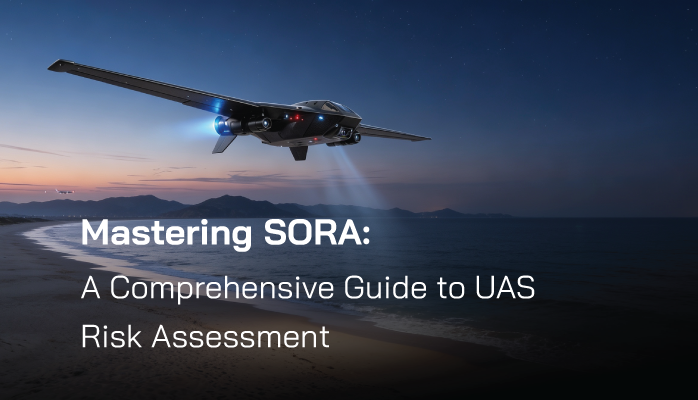
The rapid rise of Unmanned Aircraft Systems (UAS) has transformed aviation, with drone operations projected to contribute $63 billion to the global economy by 2025,
Topics: 3-Safety Assurance, 1-Safety Policy, 2-Safety Risk Management
For aviation safety managers, training employees to identify hazards is a critical component of a robust Safety Management System (SMS) under 14 CFR Part 5, EASA and other national civil aviation authorities' SMS regulations.
Topics: 3-Safety Assurance, 2-Safety Risk Management, Risk Management Training, FAA Compliance, Safety Culture

Aerial power line inspections, conducted by helicopters and drones, are critical for maintaining electrical grid reliability but pose significant safety risks.
Topics: Aviation SMS Database, 4-Safety Promotion, Risk Management Software, 2-Safety Risk Management
FAA Part 5, expanded in April 2024, mandates Safety Management Systems (SMS) for Part 121 airlines, Part 135 operators, and Part 145 MROs,
Topics: 4-Safety Promotion, 3-Safety Assurance, 1-Safety Policy, 2-Safety Risk Management, FAA Compliance

As an aviation safety manager or accountable executive, developing a Safety Management System (SMS) that complies with 14 CFR Part 5 is critical
Topics: Aviation SMS Implementation, 4-Safety Promotion, 3-Safety Assurance, 1-Safety Policy, 2-Safety Risk Management, Risk Management Training, FAA Compliance

These two on-demand videos offer: