What Is an Aviation Safety Management System (SMS)?
An aviation safety management system (SMS) has been repeatedly defined as a formal, systematic approach to managing safety, including necessary

An aviation safety management system (SMS) has been repeatedly defined as a formal, systematic approach to managing safety, including necessary
Topics: Aviation SMS Implementation
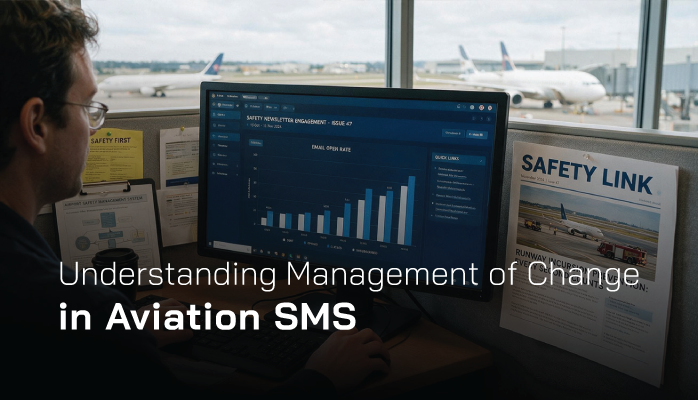
Management of change in aviation safety management systems (SMS) is essential for managing operational or organizational change.
Topics: 2-Safety Risk Management

Most aviation safety professionals today are managing their aviation safety management systems (SMS) using automated tools. These full-featured SMS database tools allow safety managers to easily classify issues according to many criteria.
Topics: Key Performance Indicators
“Safety culture” is a phrase that gets thrown around a lot in aviation safety management systems (SMS) as a vague reference to different aspects of safety.
Topics: 4-Safety Promotion
Aviation SMS audits are necessary to ensure aviation service providers comply with established guidelines.
Topics: 3-Safety Assurance
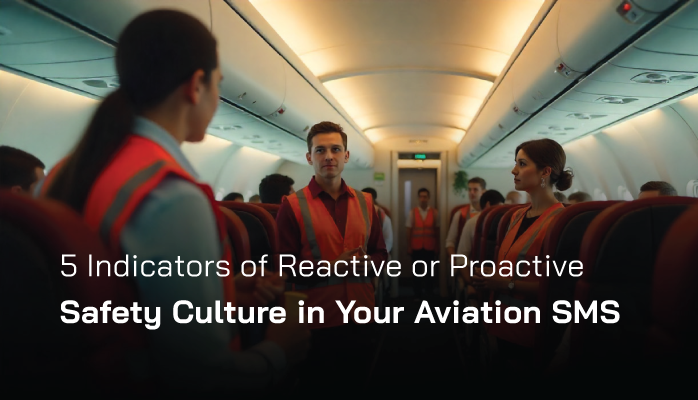
The line between reactive and proactive safety workplaces is unfortunately not as concrete as anyone would like. If it were so obvious, many organizations would be far less reactive.
Topics: 3-Safety Assurance
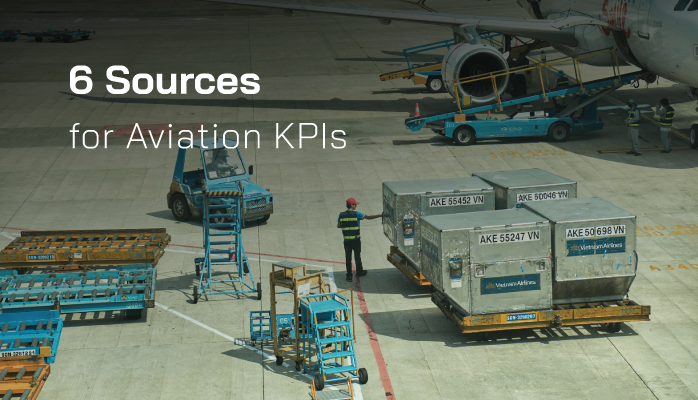
Most safety managers consider aligning their operation's key performance indicators with organizational objectives,
Topics: Key Performance Indicators
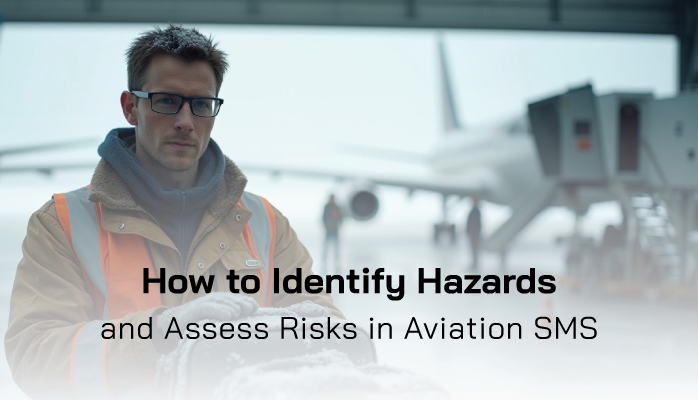
Aviation safety managers are tasked to ensure that the safety risks encountered at their operations are controlled to as low as reasonably practicable (ALARP).
Modern aviation safety risk management includes:
Topics: 2-Safety Risk Management
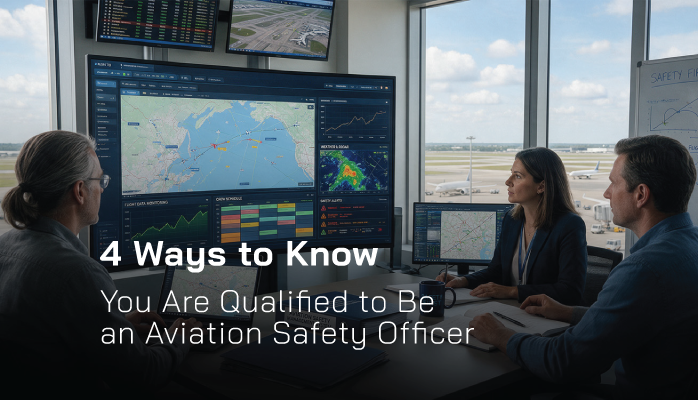
Last year my wife went to the dentist to have a filling put into one of her teeth. She had severe pain for several days, went back to the dentist,
Topics: 4-Safety Promotion
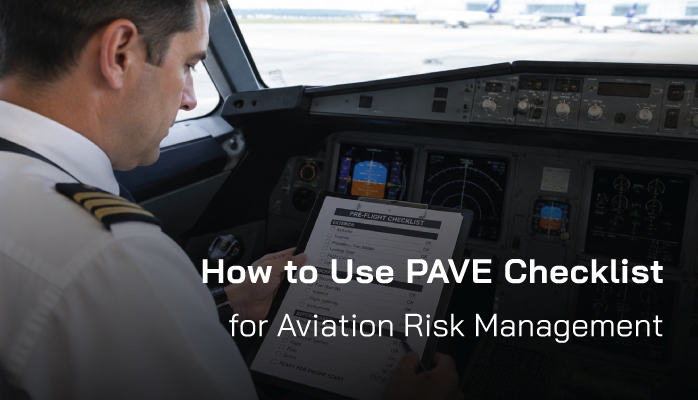
The best way to recognize and mitigate immediate risks associated with aviation hazards is by using the PAVE checklist to analyze your current safety environment.
Topics: 2-Safety Risk Management

These two on-demand videos offer: