Stu Martin
Stu Martin is an accomplished aerospace safety engineer with over 25 years of experience in the aviation industry. Beginning his career on the ramp, Stu developed a hands-on understanding of aircraft operations, maintenance, and safety protocols. His journey from ground operations to engineering has equipped him with a unique perspective on aviation safety, blending practical expertise with technical rigor. Stu has contributed to numerous safety initiatives, including the development of risk assessment frameworks and incident investigation protocols, earning recognition for his commitment to enhancing operational safety. A respected voice in the field, he continues to advocate for robust safety cultures within aviation organizations worldwide.
What Are Problems With Traditional Record Keeping
Tracking employees' documents and records is one of the most important documentation tasks aviation service providers have. This is especially true in the case of pilots, where poor record-keeping can result in regulatory fines.
Read More
Topics:
Quality-Safety Management
What Is Optimized Pilot Records Management
Aviation service providers are well aware of the importance of tracking pilots’ records and documents.
At any given time, an aviation service provider may have dozens of records that require action.
Read More
Topics:
Quality-Safety Management
What Is SMS Design
SMS design is the foundation of your safety program. It is the Safety Risk Management pillar portion of the 4 Pillars of SMS.
Read More
Why Social Psychology of Risk Is Important
Social psychology plays a tremendously important role in safe operations. In fact, it may play the most important role in safety outcomes.
Read More
Topics:
Safety Culture
Steps for How to Manage Hazard Reports
The 4 I’s of Issue Management are a useful, high-level way of looking at the process and steps for managing hazard reports.
In terms of how to manage hazard reports, these 4 basic steps in the process are:
Read More
Topics:
3-Safety Assurance
What Are Key Performance Indicators
Key performance indicators in aviation SMS measure the core safety concerns of your organization. They help you evaluate your success at reaching important safety targets.
Read More
Topics:
Key Performance Indicators
Why Fatigue Monitoring Matters
Fatigue is the sixth of the Dirty Dozen Human Factors.
Fatigue has traditionally received a lot of attention from flight crew due to the dramatic effects of the different types of fatigue on pilot and cabin crew performance.
Read More
Topics:
3-Safety Assurance
Hazard Reporting More Than Just Hazards
“Hazard reporting” is a bit of a misnomer because employees report much more than hazards. Hazards are simply one type of thing that people report.
Read More
Topics:
2-Safety Risk Management
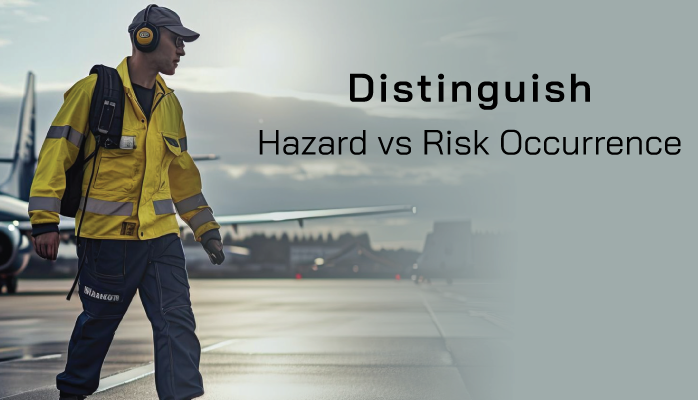
Why Identifying the Difference Between Hazards and Risks Matters
One of the biggest problems in aviation risk management is the misuse or misunderstanding of aviation risk management definitions and concepts. The most common mistakes happen when it comes to the idea of a hazard vs risk.
Read More
Topics:
3-Safety Assurance
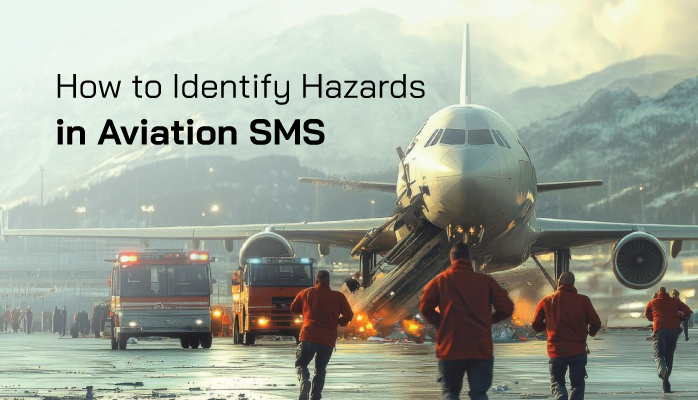
What Is a Hazard
Hazards are central to the entire process of developing safe operational environments.
A hazard fulfills the following:
Read More
Topics:
3-Safety Assurance