
Training Accountable Executives to Champion Safety Culture
In the fast-paced, ever-changing world of aviation, a robust safety culture is the backbone of operational excellence.

In the fast-paced, ever-changing world of aviation, a robust safety culture is the backbone of operational excellence.
Topics: 4-Safety Promotion, 3-Safety Assurance, 1-Safety Policy, FAA Compliance, Safety Culture
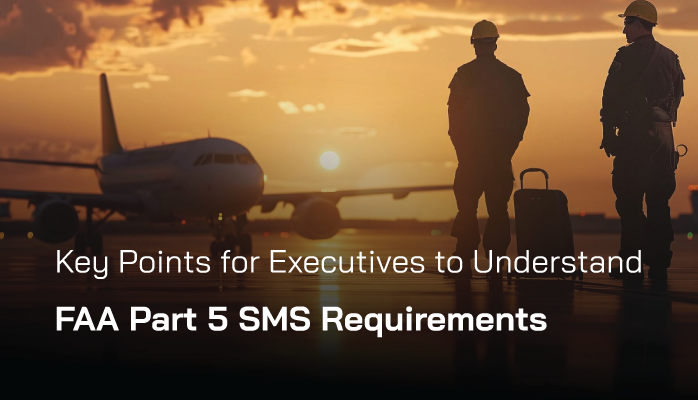
For new aviation safety managers, preparing for Safety Management System (SMS) audits is a daunting task, particularly when it involves coaching accountable executives.
Topics: 4-Safety Promotion, 3-Safety Assurance, 1-Safety Policy, Risk Management Training, FAA Compliance, Safety Culture
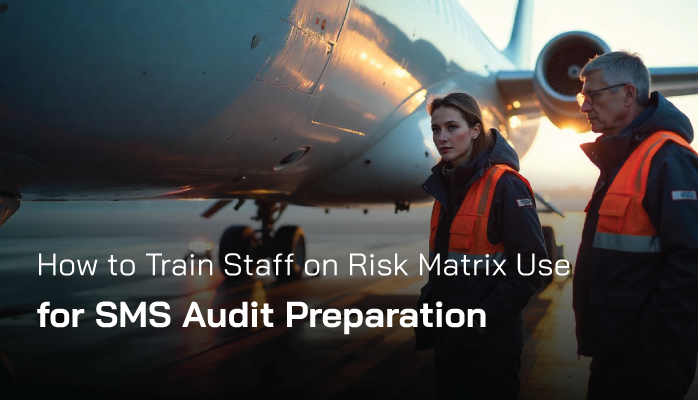
For new aviation safety managers, preparing for a Safety Management System (SMS) audit can feel overwhelming. One of the most critical components of SMS compliance is ensuring that staff and accountable executives understand the risk matrix,
Topics: 4-Safety Promotion, 2-Safety Risk Management, FAA Compliance, Safety Culture
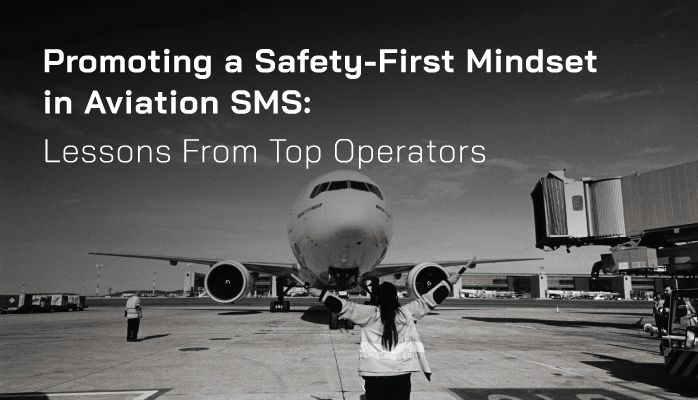
In aviation, where safety is non-negotiable, cultivating a safety-first mindset ensures that every decision, from flight operations to maintenance, prioritizes risk reduction and compliance.
Topics: 4-Safety Promotion, 1-Safety Policy, Safety Culture
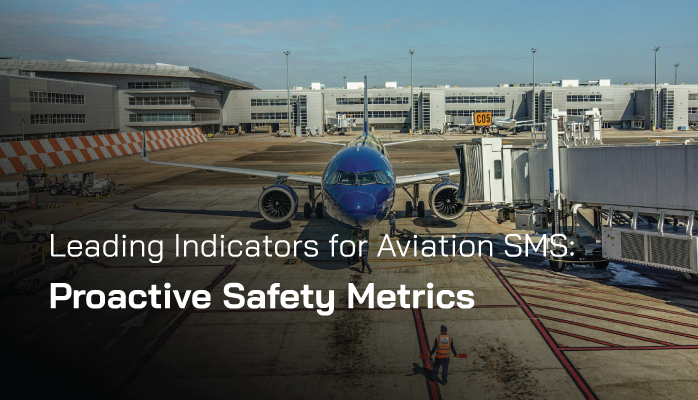
In aviation, where safety is paramount, staying ahead of risks is critical. Leading indicators—proactive metrics that signal potential safety issues before they become incidents—are essential tools within Safety Management Systems (SMS).
Topics: Key Performance Indicators, 4-Safety Promotion, 3-Safety Assurance, 2-Safety Risk Management, Safety Culture
In the high-stakes world of aviation, a robust Safety Management System (SMS) is critical for mitigating risks and ensuring safety. For aviation safety managers and accountable executives—senior leaders responsible for SMS oversight—demonstrating compliance with regulatory standards,
Topics: 4-Safety Promotion, 3-Safety Assurance, 1-Safety Policy, 2-Safety Risk Management, FAA Compliance, Safety Culture
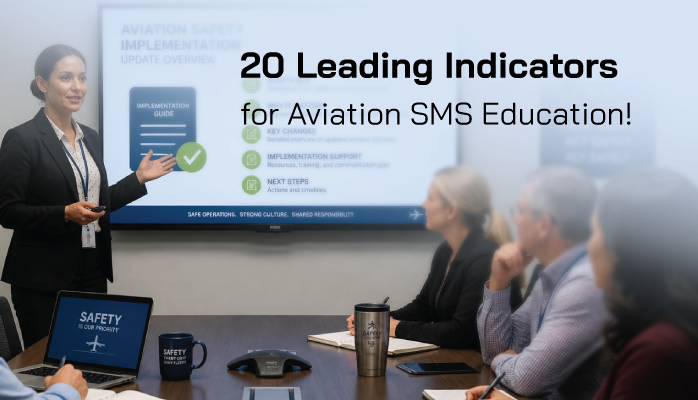
Leading indicators in aviation safety management are proactive metrics that help predict and prevent safety issues before they result in incidents or accidents.
Topics: Key Performance Indicators, 4-Safety Promotion, 3-Safety Assurance, Risk Management Software, 2-Safety Risk Management, Risk Management Training, Safety Culture
For new aviation safety managers, training staff and leadership on Safety Management System (SMS) concepts can feel like a steep climb.
Topics: 4-Safety Promotion, 3-Safety Assurance, Risk Management Training, FAA Compliance, Safety Culture

For new aviation safety managers, training staff on Safety Management System (SMS) concepts can feel like navigating uncharted skies.
Topics: 4-Safety Promotion, 3-Safety Assurance, 1-Safety Policy, 2-Safety Risk Management, Risk Management Training, FAA Compliance, Safety Culture
For aviation safety managers, training employees to identify hazards is a critical component of a robust Safety Management System (SMS) under 14 CFR Part 5, EASA and other national civil aviation authorities' SMS regulations.
Topics: 3-Safety Assurance, 2-Safety Risk Management, Risk Management Training, FAA Compliance, Safety Culture

These two on-demand videos offer: