Christopher Howell
Manage global operations for aviation safety management systems (SMS) software that facilitates regulatory compliance, such as ICAO, FAA, Transport Canada, IS-BAO. Manage software engineering support efforts to local Alaska businesses. Assist in design, implementation, testing and documentation of complex, three-tier Windows applications relying heavily upon secure Web services technology.
Aviation SMS Are Not Required by All Operators
In November 2006, the International Civil Aviation Organization (ICA0) mandated the implementation of formal aviation safety management systems (SMS) for most commercial aviation service providers. Besides the usual suspects of large airlines and airports,
Read More
Topics:
2-Safety Risk Management
Introduction: The Critical Choice of an Aviation Safety Database
Selecting an aviation safety database is a pivotal decision for safety managers, often fraught with apprehension. Whether launching a new Safety Management System (SMS),
Read More
Topics:
Aviation SMS Database
Disadvantaged Part-Time Safety Managers
Incredible challenges assail aviation safety managers at smaller operations who are implementing aviation safety management systems (SMS). In short, their organizational size and make-up present a very real hazard that must be recognized and mitigated.
Read More
Topics:
Aviation SMS Implementation
Aviation SMS Implementations Take Years to Fully Mature
Safety managers are fresh, fully motivated when starting their aviation SMS implementations.
Read More
Topics:
Aviation SMS Implementation
Questions on Key Performance Indicators (KPIs) for Aviation
Aviation safety professionals frequently email our subject-matter experts (SMEs) for opinions regarding aviation safety management systems (SMS) and advice as to managing key performance indicators (KPIs).
Read More
Topics:
Key Performance Indicators
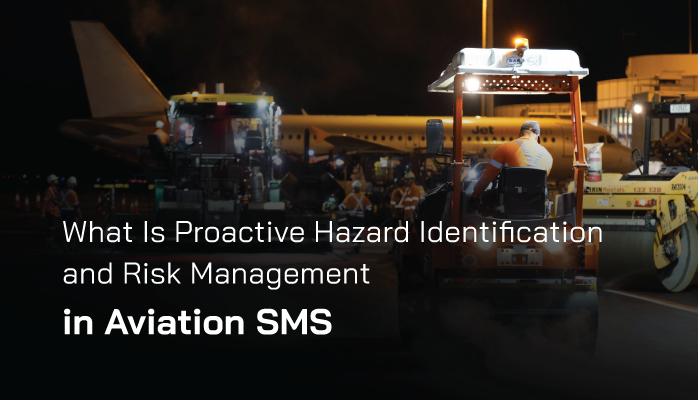
What Is Proactive Hazard Management
I have a friend across the globe who is having trouble getting his head around proactive hazard identification and the resulting risk management processes in his aviation safety management system (SMS).
Read More
Topics:
2-Safety Risk Management
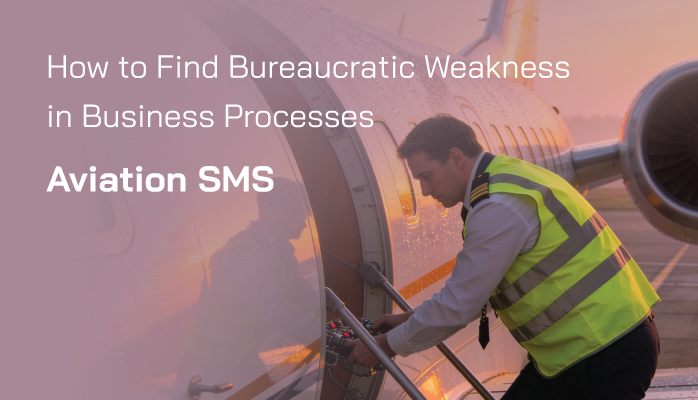
Why Policies Involved in Issues Charts Matter for Your Aviation SMS
Operational #policies and procedures are the bureaucratic backbones to the success of every organization. The policies and procedures are the recipes or secret sauce that your company uses to deliver its product or service.
Read More
Topics:
Risk Management Software
SMS Implementation Guidance Still Needed
Over a dozen years (Nov 2006) have passed since ICAO issued its first mandate requiring member states to implement formal, structured aviation safety management systems (SMS).
Read More
Topics:
1-Safety Policy
What Does Ideal Safety Culture Look Like in Aviation SMS
I have written before that one of the biggest problems with safety culture in aviation safety management systems (SMS) is the way most of us understand what safety culture is.
Read More
Topics:
3-Safety Assurance
Everyone Understands Hazard Reporting
Every aviation safety professional has heard of a "hazard reporting system" in regards to aviation safety management systems (SMS). You may call your hazard reporting system by another name, such as the safety reporting system,
Read More
Topics:
Risk Management Software