
Why This Aviation SMS Implementation Chart Is Important
As you probably already well know, implementing aviation safety management systems (SMS) is a big deal for most aviation service providers around the world


As you probably already well know, implementing aviation safety management systems (SMS) is a big deal for most aviation service providers around the world
Topics: Risk Management Software

Lagging and leading indicators for aviation safety management systems (SMS) key performance indicators (KPIs) are often confused or misunderstood.
Topics: Key Performance Indicators

Showing employees that your SMS is effective is simply building your case for the SMS. That being said, there are several prerequisites
Topics: 4-Safety Promotion

The oil industry, which in terms of safety standards is rather similar to the aviation industry, provides a great example with its statistic that over 50% of all accidents are caused by employees with less than 1 year of experience in their current work environment.
Topics: Risk Management Software

Effective leadership is crucial in aviation safety, with key figures such as
These leaders each play an important role contributing to a safety culture where safety cannot be ignored.
Topics: 4-Safety Promotion, 1-Safety Policy
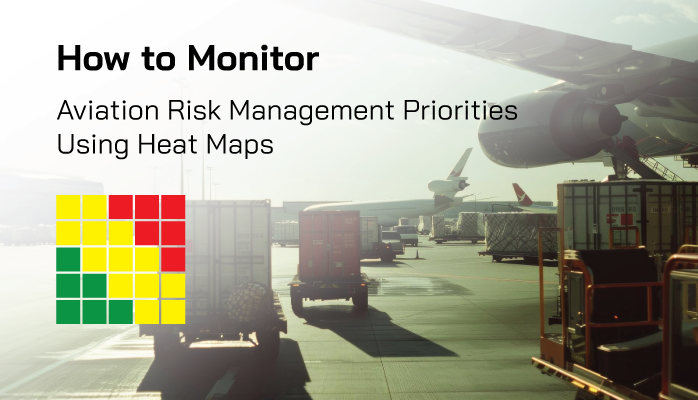
Safety teams and the accountable executive are expected to regularly review the performance of their implemented aviation safety management system (SMS). A regular review of the SMS is important to ensure that any substandard safety performance is addressed in a timely fashion.
Topics: Risk Management Software

Airport SMS programs and Airline SMS programs need to use a formal process for ranking various risks. Risk assessments satisfy this need and, based on your Acceptable Level of Safety policy, allow you to know which actions to take next on the issue you are assessing.
Topics: 2-Safety Risk Management

Safety reporting metrics are among the best indicators to judge the performance of any aviation safety management system (SMS). This is such a very powerfully poignant statement. Let that sink in:
Topics: Risk Management Software

Incentive (or lack of) will make or break an aviation safety management system (SMS).
Without fail, aviation SMS that perform at a proactive risk management level have specific incentives that fit the needs of the organization.
Topics: 2-Safety Risk Management
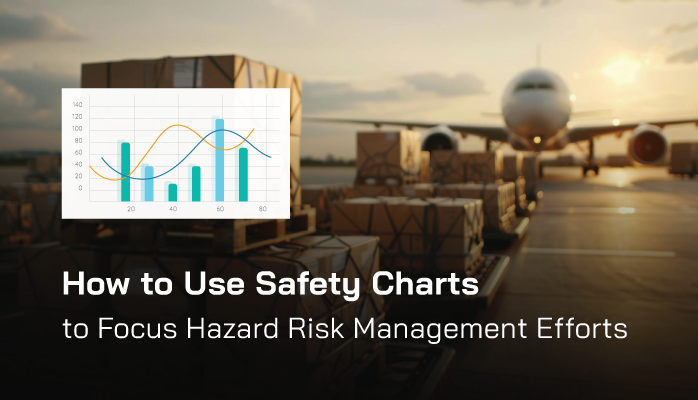
Aviation safety charts gather and present aviation safety management system (SMS) information to stakeholders. Stakeholders use this visually rich information to make informed, fact-based decisions about SMS and organizational performance.
Topics: 3-Safety Assurance

These two on-demand videos offer: