
SMS Software Cost vs. Value Analysis
For small fixed-base operators (FBOs), charter operators, UAS, MROs, and airports, managing safety has become a non-negotiable priority.

For small fixed-base operators (FBOs), charter operators, UAS, MROs, and airports, managing safety has become a non-negotiable priority.
Topics: Aviation SMS Implementation, Aviation SMS Database, Risk Management Software, Risk Management Training
For new aviation safety managers, preparing for Safety Management System (SMS) audits is a daunting task, particularly when it involves coaching accountable executives.
Topics: 4-Safety Promotion, 3-Safety Assurance, 1-Safety Policy, Risk Management Training, FAA Compliance, Safety Culture
In the high-stakes world of aviation, a robust Safety Management System (SMS) is the backbone of risk management. For aviation safety managers and accountable executives—senior leaders responsible for SMS oversight—managing hazards effectively is critical to preventing incidents and ensuring compliance with standards set by the International Civil Aviation Organization (ICAO) and national civil aviation authorities like the FAA or EASA.
A Hazard Register is a key tool in this process, serving as a centralized record of identified hazards, their risks, and mitigation measures within an aviation SMS.
Utility aviation, encompassing power line inspections, wildfire patrols, and infrastructure surveys, relies on helicopters and drones operating in high-risk, low-altitude environments. Pilot fatigue is a critical concern, with the Federal Aviation Administration attributing 70% of utility aviation incidents to human factors, costing millions annually, per the International Air Transport Association. Fatigue impairs decision-making, reaction times, and situational awareness, posing risks during complex missions.
Topics: Aviation SMS Database, 3-Safety Assurance, Risk Management Software, 2-Safety Risk Management, Risk Management Training
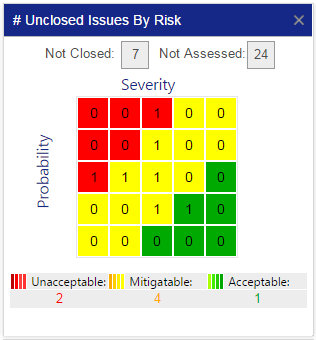
For new aviation safety managers, creating effective safety management system (SMS) documentation can be a daunting task, especially when it comes to residual risk.
Residual risk—the risk that remains after mitigation measures are applied—is a critical component of aviation safety risk management. Properly identifying and documenting residual risk ensures compliance with Federal Aviation Administration (FAA) regulations, enhances operational safety, and prepares organizations for audits.
This evergreen guide provides a step-by-step approach to help aviation safety managers master this process, even if they’re starting from scratch.
Topics: Aviation SMS Implementation, 2-Safety Risk Management, Risk Management Training, FAA Compliance

From airlines to maintenance, repair, and overhaul (MRO) organizations, adhering to rigorous safety standards is critical. This is where Safety Management Systems (SMS) come into play, mandated by the International Civil Aviation Organization (ICAO) and regulators like the FAA and EASA.
Topics: Aviation SMS Database, Risk Management Software, Risk Management Training, Quality-Safety Management
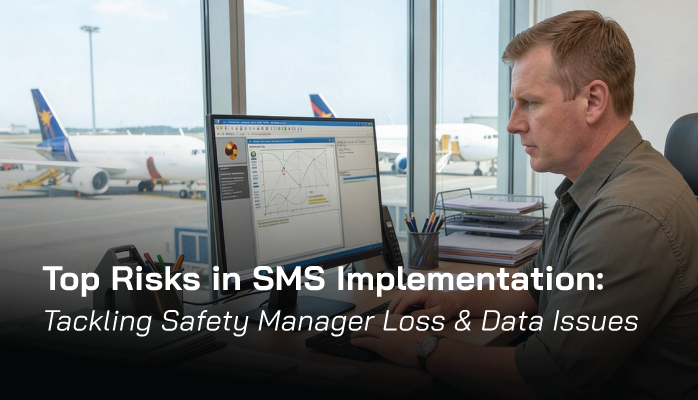
n high-risk industries like aviation, transportation, and energy, a robust Safety Management System (SMS) is critical for ensuring operational safety, regulatory compliance, and organizational resilience.
Topics: Aviation SMS Implementation, Aviation SMS Database, 3-Safety Assurance, Risk Management Training
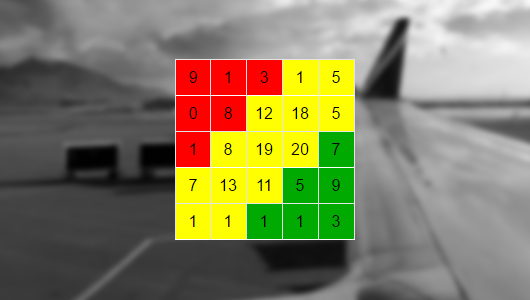
In the high-stakes world of aviation, where safety is paramount, a robust Safety Management System (SMS) is essential for identifying and mitigating risks to prevent incidents. For aviation safety managers and accountable executives—senior leaders responsible for SMS oversight—prioritizing mitigation efforts efficiently is a critical challenge. The risk matrix, a cornerstone tool in aviation safety risk management, provides a structured method to assess and prioritize risks based on their severity and likelihood. By enabling data-driven decisions, the risk matrix ensures resources are allocated effectively to address the most critical hazards.
Topics: 3-Safety Assurance, 2-Safety Risk Management, Risk Management Training
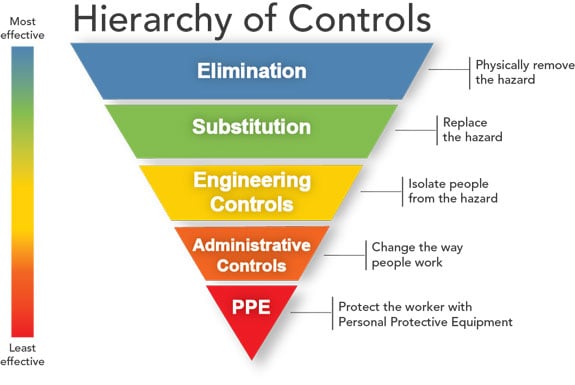
For new aviation safety managers, developing a safety management system (SMS) that meets Federal Aviation Administration (FAA) standards can be challenging, particularly when it comes to crafting effective risk controls.
Risk controls are the backbone of aviation safety risk management, designed to mitigate hazards and ensure safe operations. Poorly designed controls can lead to persistent risks, regulatory non-compliance, and safety incidents.
This evergreen guide outlines best practices for creating robust risk controls within an aviation SMS, helping safety managers build a compliant and proactive safety framework.
Topics: 2-Safety Risk Management, Risk Management Training, FAA Compliance

The role of an aviation safety manager is critical in ensuring the safety of aircraft operations, people on the ground, passengers, and crew.
These professionals oversee the
Preparing for an interview for this position requires a deep understanding of the role, its requirements, and the ability to articulate your expertise effectively.
Topics: 1-Safety Policy, Risk Management Training

These two on-demand videos offer: