
Why KPIs Are Different in Aviation Safety Management Systems?
Key performance indicators (KPIs) in aviation safety management systems (SMS) are different from KPIs from most other industries.


Key performance indicators (KPIs) in aviation safety management systems (SMS) are different from KPIs from most other industries.
Topics: Key Performance Indicators
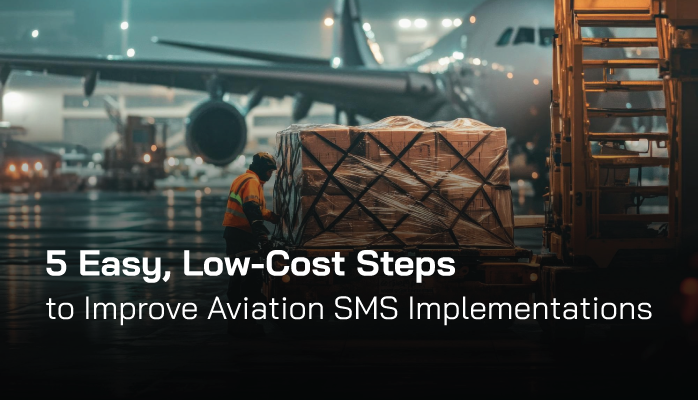
Improving your aviation safety management system's (SMS) effectiveness doesn’t always have to be a long-term effort.
Topics: 2-Safety Risk Management

Aviation safety management systems (SMS) are not just for large airlines and airports with high traffic volumes.
Small aviation service providers are in just as much need of implementing formal aviation SMS as are larger operations.
Topics: Aviation SMS Implementation

Aviation safety training and education are essential building blocks to develop performant safety cultures. This should be among the first elements to scrutinize whenever employees are involved in safety accidents or incidents.
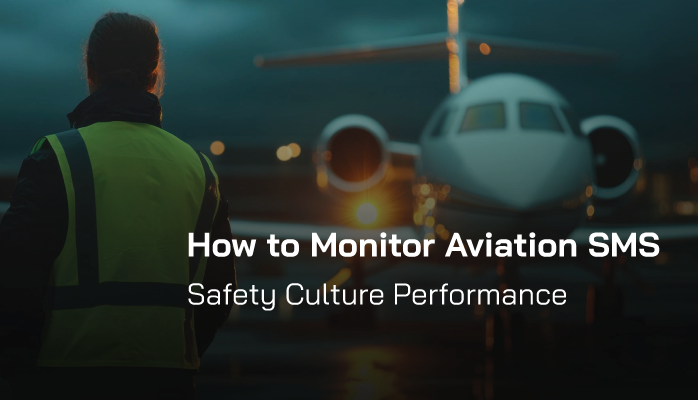
Healthy aviation safety culture results in safety performance.
Other than the bureaucratic elements of SMS, you could even make an argument that safety culture is safety performance.
Topics: 3-Safety Assurance
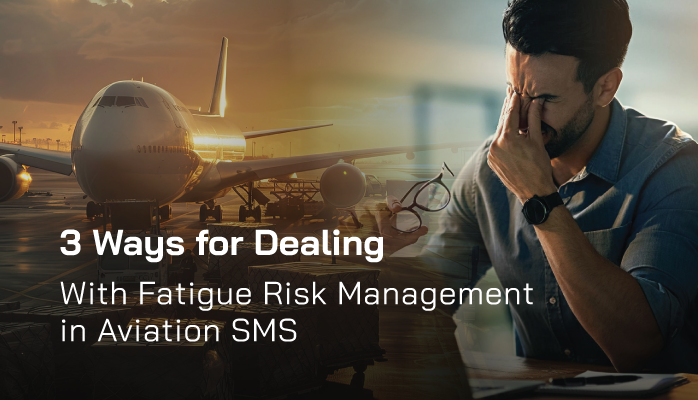
Fatigue is a top safety priority. Even moderate levels of fatigue can cause employees to demonstrate the same mental and physical capabilities as an intoxicated person.
Topics: 2-Safety Risk Management

The majority of aviation service providers are required to implement formal aviation safety management systems (SMS) per the November 2006 ICAO mandate.
Topics: 3-Safety Assurance

It is a common misnomer that trend analysis in risk management is used to forecast future performance.
Topics: 2-Safety Risk Management
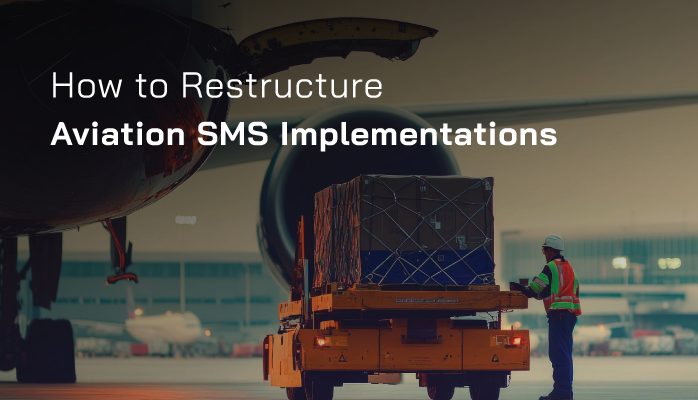
Occasionally aviation safety managers will want to do a turn and pivot with the direction of their aviation safety management system (SMS) implementation. What this looks like is restructuring.
Topics: 3-Safety Assurance
We are generally aware of the more straightforward indicators of unhealthy aviation safety management systems (SMS).
Things like:
Topics: 3-Safety Assurance

These two on-demand videos offer: