
Why Lessons Learned Library Matters
In aviation, safety is paramount, and a Safety Management System (SMS) is critical for managing risks. A Lessons Learned Library is a key component, storing insights from past incidents to prevent future issues.


In aviation, safety is paramount, and a Safety Management System (SMS) is critical for managing risks. A Lessons Learned Library is a key component, storing insights from past incidents to prevent future issues.
Topics: 4-Safety Promotion
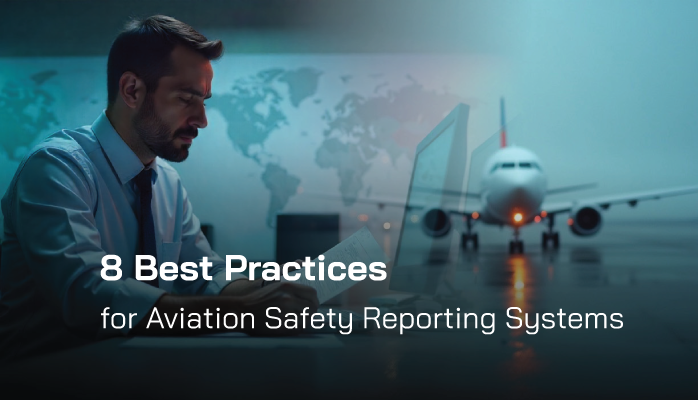
Aviation demands uncompromising safety standards, and safety managers are pivotal in upholding them. Aviation safety reporting systems (SRS) are critical tools for

Safety audits are a cornerstone of aviation safety, enabling safety managers to
Topics: 3-Safety Assurance
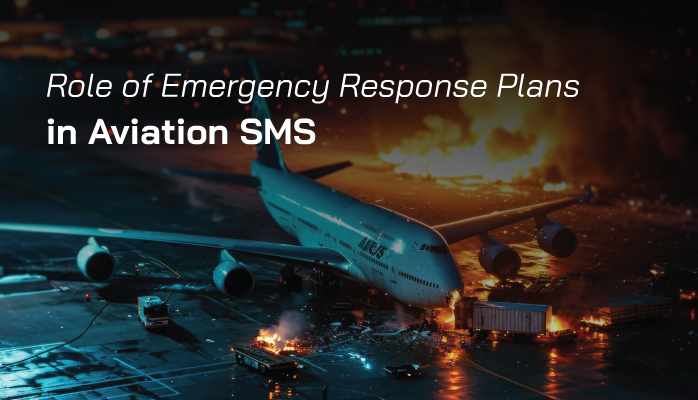
In the aviation industry, both safety and profits are paramount. With millions of flights operating globally each year, the need for robust safety protocols cannot be overstated.
Topics: 2-Safety Risk Management
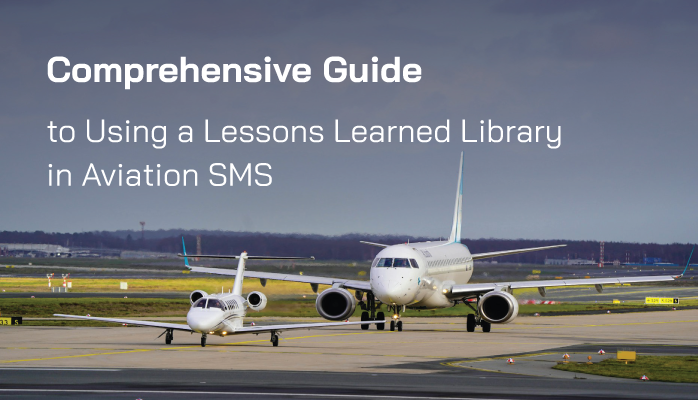
In the high-stakes world of aviation, where safety is prioritized, a robust Safety Management System (SMS) is essential for managing risks and ensuring safe operations.
Topics: 4-Safety Promotion

Aviation safety managers face a complex and dynamic landscape where environmental factors play a critical role in ensuring safe operations. From unpredictable weather patterns to terrain challenges and wildlife hazards, these elements can significantly influence flight safety. Understanding and mitigating their impact is essential for
This article explores the key environmental factors affecting aviation safety and provides actionable strategies for safety managers to address them.
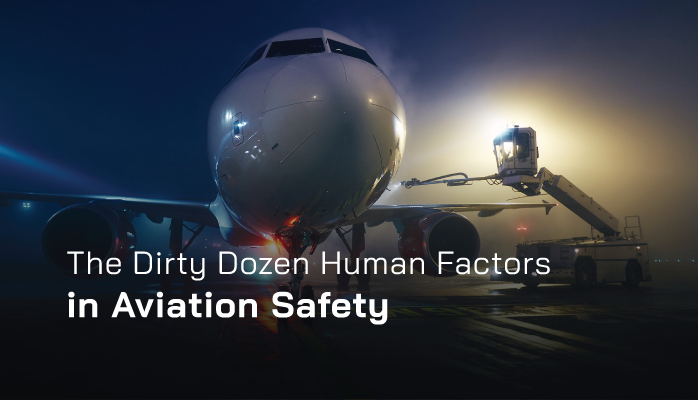
Aviation safety is a complex field where human factors play a pivotal role in preventing accidents and ensuring operational efficiency.
The "Dirty Dozen," a concept developed by Gordon Dupont in 1993 for Transport Canada, identifies twelve common human error preconditions that can lead to incidents in aviation.

A robust Safety Management System (SMS) is essential for operators to meet regulatory requirements, enhance operational safety, and foster a proactive safety culture.

Safety Management Systems (SMS) are critical frameworks in aviation, designed to
Aviation safety hinges on precision, vigilance, and teamwork; however, human factors remain a leading cause of incidents and accidents. For aviation safety managers, understanding and mitigating human error, fatigue, and ineffective crew resource management (CRM) is critical to ensuring safe operations.
This article explores these human factors, their impact on aviation safety, and actionable strategies to address them, empowering safety managers to foster a culture of safety and resilience.
Topics: 1-Safety Policy

These two on-demand videos offer: