What Is Risk Matrix?
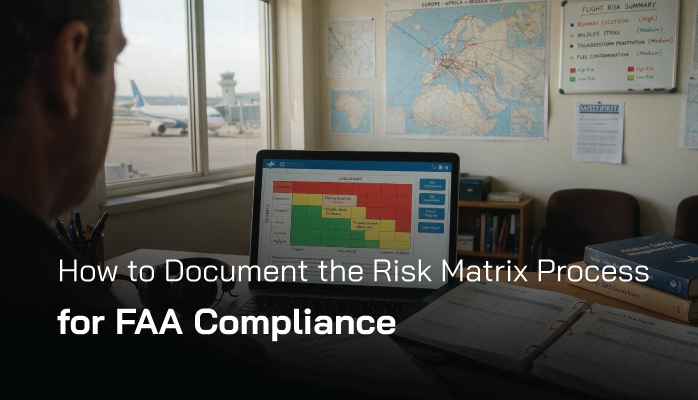
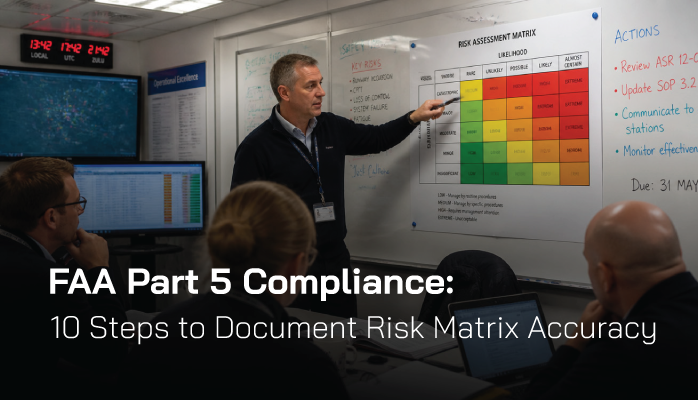
For new aviation safety managers, preparing for a Safety Management System (SMS) audit can feel overwhelming. One of the most critical components of SMS compliance is ensuring that staff and accountable executives understand the risk matrix,
Read More
Topics:
4-Safety Promotion,
2-Safety Risk Management,
FAA Compliance,
Safety Culture
What Is an Emergency Response Plan in Aviation SMS?
An Emergency Response Plan (ERP) is a structured, documented framework within an aviation SMS that outlines how an organization responds to crises, such as aircraft accidents, serious incidents, or other emergencies like natural disasters, bomb threats, or public health crises. It’s designed to minimize harm, ensure safety, and maintain compliance with regulatory bodies like the FAA, EASA, and ICAO.
Read More
Topics:
4-Safety Promotion,
3-Safety Assurance,
1-Safety Policy,
2-Safety Risk Management,
FAA Compliance
Ensuring Compliance and Safety Through Robust Aviation SMS
In the high-stakes world of aviation, a robust Safety Management System (SMS) is critical for mitigating risks and ensuring safety. For aviation safety managers and accountable executives—senior leaders responsible for SMS oversight—demonstrating compliance with regulatory standards,
Read More
Topics:
4-Safety Promotion,
3-Safety Assurance,
1-Safety Policy,
2-Safety Risk Management,
FAA Compliance,
Safety Culture
For new aviation safety managers, training staff and leadership on Safety Management System (SMS) concepts can feel like a steep climb. One of the toughest challenges is preparing accountable executives—senior leaders like CEOs, directors, or operations managers—to effectively oversee SMS performance.
These executives are critical to SMS success, as regulators like the FAA, EASA, or ICAO expect them to demonstrate active leadership in managing safety risks and ensuring compliance during audits.
Read More
Topics:
4-Safety Promotion,
3-Safety Assurance,
Risk Management Training,
FAA Compliance,
Safety Culture
Understanding Emergency Response Notifications in Aviation SMS
In the context of an aviation SMS, Emergency Response Notifications refer to the structured communication processes used to inform internal stakeholders, regulatory authorities, emergency services, and the public about a crisis, such as an aircraft accident, serious incident, or operational disruption.
These notifications are a key part of the Emergency Response Plan (ERP), which integrates with the four pillars of an SMS—Safety Policy, Safety Risk Management, Safety Assurance, and Safety Promotion—to ensure a proactive, systematic approach to crisis management.
Read More
Topics:
Aviation SMS Implementation,
4-Safety Promotion,
3-Safety Assurance,
1-Safety Policy,
2-Safety Risk Management,
FAA Compliance
Why Safety Managers Fail to Get Budget
For new aviation safety managers, training staff on Safety Management System (SMS) concepts can feel like navigating uncharted skies. The complexity of SMS, combined with the need to engage accountable executives—senior leaders responsible for SMS oversight—often leaves managers unsure of where to begin.
Read More
Topics:
4-Safety Promotion,
3-Safety Assurance,
1-Safety Policy,
2-Safety Risk Management,
Risk Management Training,
FAA Compliance,
Safety Culture
For aviation safety managers, training employees to identify hazards is a critical component of a robust Safety Management System (SMS) under 14 CFR Part 5, EASA and other national civil aviation authorities' SMS regulations.
Effective hazard identification—through data analysis, employee reporting, and operational reviews—enables organizations to proactively manage risks, comply with FAA regulations, and foster a strong safety culture.
Read More
Topics:
3-Safety Assurance,
2-Safety Risk Management,
Risk Management Training,
FAA Compliance,
Safety Culture
FAA Part 5 Compliance as a Top Priority
FAA Part 5, expanded in April 2024, mandates Safety Management Systems (SMS) for Part 121 airlines, Part 135 operators, and Part 145 MROs, making compliance a top concern for aviation safety managers and accountable executives.
Non-compliance risks penalties, operational disruptions, and reputational damage, with the Federal Aviation Administration (FAA) reporting over 90% of operators scrambling to meet deadlines. SMS Pro, a leading aviation SMS software, streamlines compliance with its 77+ modules, including offline auditing, custom reporting, and gamified engagement.
Read More
Topics:
4-Safety Promotion,
3-Safety Assurance,
1-Safety Policy,
2-Safety Risk Management,
FAA Compliance
As an aviation safety manager or accountable executive, developing a Safety Management System (SMS) that complies with 14 CFR Part 5 is critical for ensuring safety and meeting Federal Aviation Administration (FAA) requirements.
A well-crafted SMS Implementation Plan is your roadmap to achieving this, outlining how your organization will establish, integrate, and maintain an SMS to proactively manage safety risks. This guide provides a step-by-step approach to writing a comprehensive Part 5 SMS Implementation Plan acceptable to your local FAA Certificate Management Office (CMO), complete with practical examples and tips for success.
Read More
Topics:
Aviation SMS Implementation,
4-Safety Promotion,
3-Safety Assurance,
1-Safety Policy,
2-Safety Risk Management,
Risk Management Training,
FAA Compliance

For aviation safety managers and accountable executives, ensuring compliance with the FAA’s Safety Management System (SMS) requirements under 14 CFR Part 5 is a cornerstone of operational safety. A critical step in this process is submitting a Declaration of Compliance (DOC) to the FAA, which confirms that your organization’s SMS, including its Safety Risk Management (SRM) processes, meets regulatory standards.
This article provides a deep dive into the role of SRM in SMS compliance and a detailed list of required content for the DOC. Whether you’re managing a Part 135 operation, a Part 91.147 air tour operation, or a Part 21 certificate holder, this guide will help you craft a compliant DOC while strengthening your SRM practices.
Read More
Topics:
4-Safety Promotion,
3-Safety Assurance,
1-Safety Policy,
2-Safety Risk Management,
Risk Management Training,
FAA Compliance