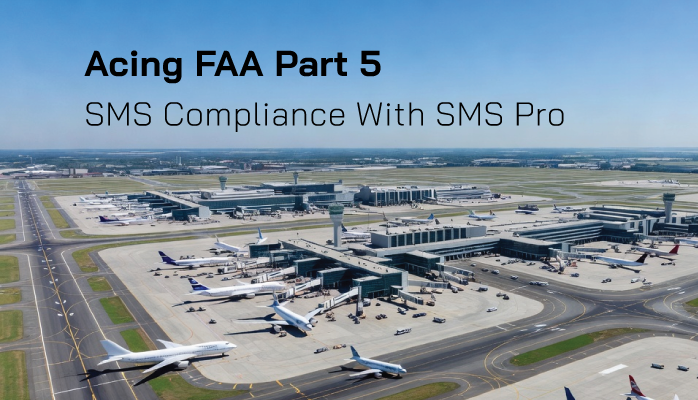
FAA Part 5 Compliance as a Top Priority
FAA Part 5, expanded in April 2024, mandates Safety Management Systems (SMS) for Part 121 airlines, Part 135 operators, and Part 145 MROs,


FAA Part 5, expanded in April 2024, mandates Safety Management Systems (SMS) for Part 121 airlines, Part 135 operators, and Part 145 MROs,
Topics: 4-Safety Promotion, 3-Safety Assurance, 1-Safety Policy, 2-Safety Risk Management, FAA Compliance
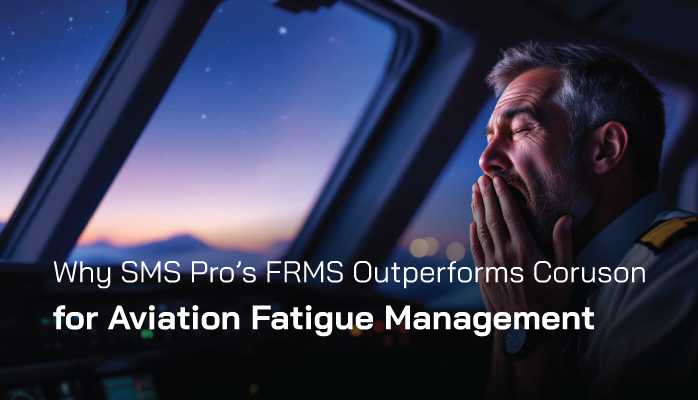
Fatigue is a critical risk in aviation, contributing to 70–80% of incidents by impairing cognitive function, reaction times, and decision-making. From pilots on long-haul flights to MRO technicians working night shifts, fatigue undermines safety across operations.
Topics: Aviation SMS Database, 4-Safety Promotion, 3-Safety Assurance, 2-Safety Risk Management

In Canada, the requirement for a formal Safety Management System (SMS) under the Canadian Aviation Regulations (CARs) applies to specific categories of air operators and organizations,
Topics: Aviation SMS Implementation, Risk Management Training
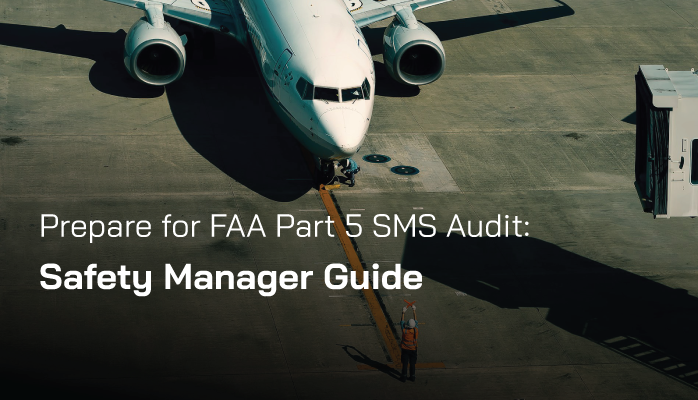
As an aviation safety manager or accountable executive, preparing for an FAA Part 5 Safety Management System (SMS) audit is critical to ensuring compliance and maintaining a robust safety culture.
Topics: 4-Safety Promotion, 3-Safety Assurance, 1-Safety Policy, 2-Safety Risk Management, FAA Compliance
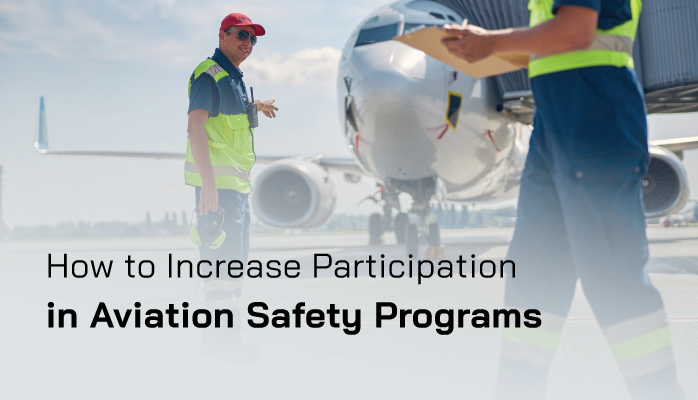
The more people involved in the aviation field take advantage of these aviation safety programs, the safer the industry is likely to be.
Topics: 4-Safety Promotion
In order to understand the idea of safety culture within the aviation industry, we must first understand the respect attributed to:
Topics: 4-Safety Promotion
Identifying hazards is a big part of implementing a Safety Management System or SMS. Most of us assume that we know what a hazard is. It’s not a complicated word, we’re pretty sure we know what it means. No problem, right?
Topics: 2-Safety Risk Management
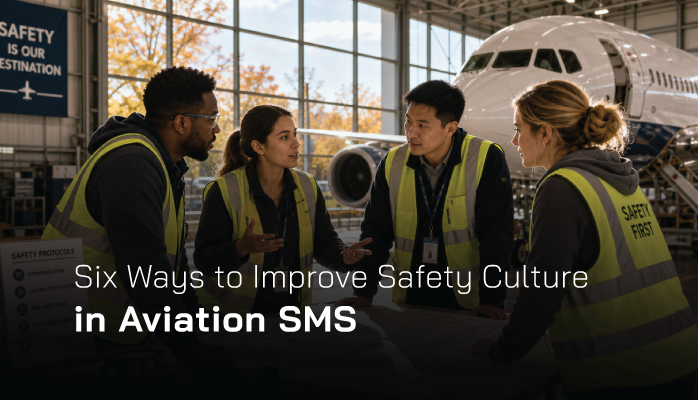
Unlike those who study and create safety management systems (SMS), to the average employee these programs can be boring.
Topics: 4-Safety Promotion
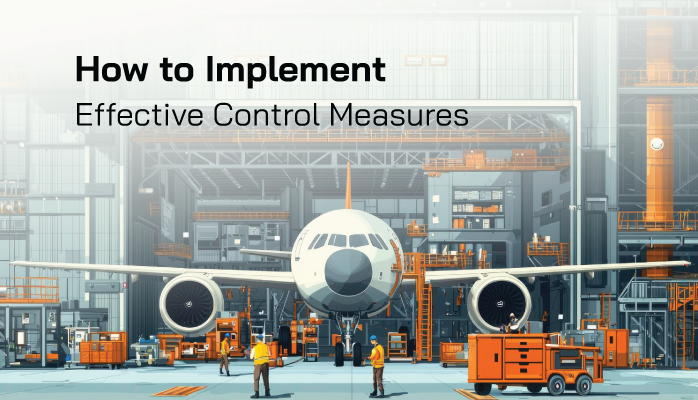
When you identify a hazard within your organization, the first step is to analyze the risk. If the risk is high, then you need a control measure to reduce risk to acceptable levels.
Topics: 3-Safety Assurance
The best way to recognize and mitigate immediate risks associated with aviation hazards is by using the PAVE checklist to analyze your current safety environment. PAVE is an excellent and expedient flight risk assessment tool (FRAT).
Topics: 2-Safety Risk Management

These two on-demand videos offer: